U.S. FDA (CDRH)
U.S. Food & Drug Administration
To sell a medical device in the United States, you need to satisfy the FDA that it is safe and effective. FDA compliance proves your device meets the standards for legal marketing and distribution in the US, and we help you get there.
- Program
- FDA
- Market
- United States
- Typical timeline
- About 90 FDA review days for a 510(k)
- Authority
- U.S. FDA (CDRH)
What we handle for FDA
- Device classification & regulatory pathway analysis
- 510(k) and De Novo preparation and submission
- QMS implementation aligned with QMSR / 21 CFR Part 820 and ISO 13485
- UDI compliance and labeling support
- Establishment registration & device listing
- Post-market surveillance, complaint handling and MDR (Medical Device Reporting) setup
- Regulatory expertise
- Deep knowledge of FDA device rules, guidance documents and submission processes.
- Fast turnaround
- Registration and listing work completed quickly, with submission timelines agreed up front.
- Complete guidance
- From premarket strategy to full post-market compliance.
- Document accuracy
- FDA-ready submissions built to minimize additional-information requests.
What is FDA compliance?
FDA compliance means meeting the requirements set by the FDA’s Center for Devices and Radiological Health (CDRH). Depending on device classification (Class I, II or III), the FDA may require a premarket notification [510(k)], De Novo request or premarket approval (PMA), plus establishment registration, device listing, labeling and post-market surveillance.
- Device classification and regulatory pathway determination
- 510(k), De Novo or PMA submission where required
- Quality Management System Regulation (QMSR, 21 CFR Part 820), aligned with ISO 13485 since Feb 2026
- Unique Device Identification (UDI)
- Establishment registration & device listing
Why FDA compliance is critical
- Access to one of the world’s largest medical device markets
- Assured safety and effectiveness of your products
- Reduced risk of warning letters, import alerts and recalls
- Credibility and trust with healthcare providers and patients
How we deliver FDA

Regulatory strategy
The right pathway for your product and each target market.

Technical file
Risk management, evidence and labeling prepared to reviewer standards.

Submission and liaison
We handle the conversations with the authority or notified body.
Who needs FDA support
- Device manufacturers entering the US market
- Foreign manufacturers that need a US Agent
- Startups planning a 510(k) or De Novo
- Companies preparing for inspection under QMSR
What we prepare
- Device classification and regulatory pathway
- 510(k) or De Novo submission
- Establishment registration and device listing
- Labeling and UDI compliance
- QMSR (21 CFR 820) quality system records
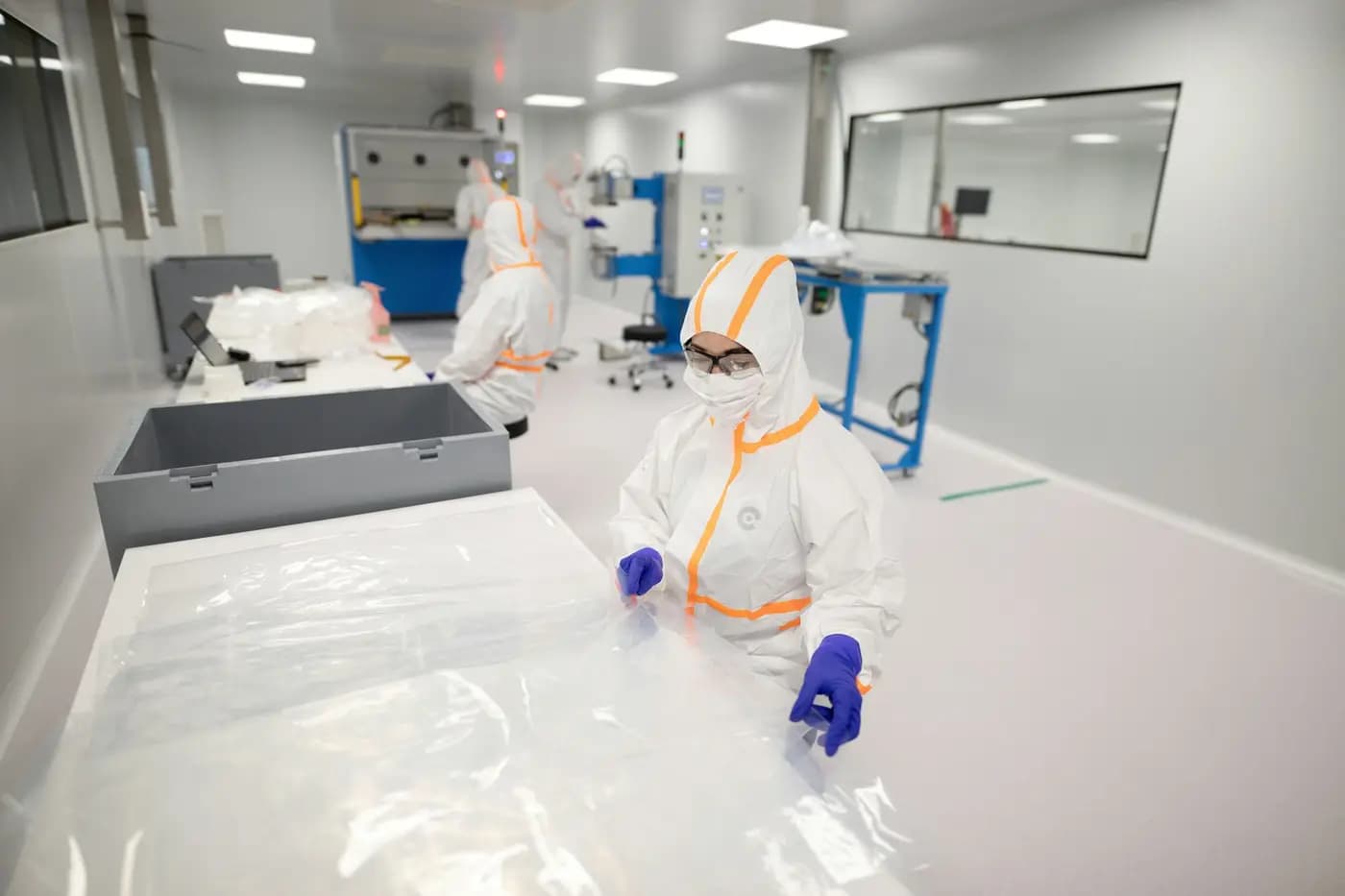
From strategy to FDA approval
- 1
Framework identification
We confirm the regulatory pathway that applies to your product and target market.
- 2
Regulatory strategy
Device classification, pathway selection and a realistic timeline for launch planning.
- 3
Technical documentation
Risk management, clinical and performance evidence, labeling and QMS records built to the authority’s expectations.
- 4
Submission and liaison
We prepare and submit the application, answer questions from the authority or Notified Body and track progress.
- 5
Approval and market access
Clearance, CE or UKCA marking, ARTG inclusion or registration, so your product can be placed on the market.
- 6
Post-market compliance
Surveillance, vigilance, periodic updates and renewals to stay compliant.
FDA questions
Related services
What is 510(k) clearance?
A 510(k) is a premarket submission demonstrating that your device is substantially equivalent to a legally marketed predicate device.
Is FDA registration the same as FDA approval?
No. Establishment registration and device listing are mandatory for most manufacturers, but they do not mean the FDA has cleared or approved the device.
Do all devices need a 510(k) or PMA?
No. It depends on classification. Many Class I and some Class II devices are exempt from premarket notification; most Class III devices need PMA.
What is the QMSR?
The Quality Management System Regulation replaced the former Quality System Regulation on 2 February 2026. It amends 21 CFR Part 820 to incorporate ISO 13485:2016 by reference, alongside FDA-specific requirements.
How long does FDA clearance take?
The FDA’s review goal for a 510(k) is 90 FDA days, though total time is often longer once information requests are included. PMA review typically takes considerably longer depending on device complexity.
Discuss your FDA project
A lead auditor replies within one business day with next steps and a fixed-price proposal. There is no obligation.
- Phone
- +1 313 552 7540
- info@lisorav.com